
What Does A Furnace Inspection Consist Of?


What Do They Do When They Check Your Furnace?
When HVAC technicians perform as inspection during a furnace repair, they conduct a thorough check to ensure your heating system is operating safely and efficiently. This involves a series of methodical steps designed to catch existing or potential problems before they escalate into larger, costlier repairs. Regular inspections not only extend the life of your furnace but also enhance its performance, keeping your home comfortable and safe during Central Indiana’s cold winters.
What Does a Furnace Inspection Consist Of: An Overview of a Standard Furnace Check
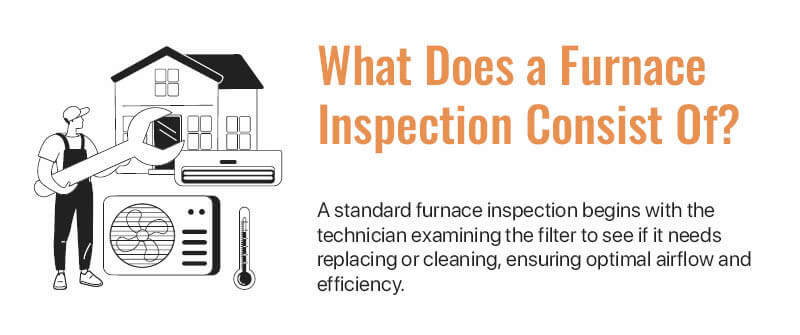
A standard furnace inspection begins with the technician examining the filter to see if it needs replacing or cleaning, ensuring optimal airflow and efficiency. Next, they move on to check the thermostat to verify that it’s calibrated correctly and functioning as intended, and test both the thermostat and safety controls to ensure they are working properly. The inspection also covers a review of the fuel lines and connections, an important step to prevent leaks and potential safety hazards. Key components such as limit switches and safety controls are included in the inspection to help ensure safe and efficient operation. Scheduling a maintenance appointment is an important step in keeping your furnace in top shape.
Identifying And Addressing Potential Issues
The aim of the inspection is to identify any issues that might hinder the furnace’s performance. The technician will look for signs of wear and tear, particularly in components such as the heat exchanger, blower motor, and electrical connections, and will also check for loose connections that could cause operational issues. This step is important, as a malfunctioning heat exchanger can pose a significant risk, including carbon monoxide leaks. All safety features, such as limit switches and error displays, are thoroughly inspected when technicians test a furnace to help ensure proper operation and prevent malfunctions or overloads.
Ensuring Safe And Efficient Operation
Safety checks involve inspecting the ignition system, burner assembly, and checking the combustion process, burners, and gas valve for proper operation. Limit switches are also inspected to help ensure the furnace is operating safely. The technician makes sure the venting system is functioning properly to remove harmful gases. All moving parts, including the blower fan, are lubricated to reduce friction and wear, contributing to the furnace’s longevity. By the end of the inspection, you can expect a detailed report from your HVAC technician, highlighting the furnace’s current condition and any recommended maintenance or repairs.
At HomeSense, we help get your furnace ready for winter with our comprehensive inspection and maintenance services. Our expertise helps you avoid untimely breakdowns and maintain a warm and safe environment for your family.
What Is Involved In An Annual Furnace Inspection?
An annual furnace inspection is an important part of maintaining the health and efficiency of your HVAC system, which includes both heating and air conditioning. This inspection helps ensure your furnace operates safely and effectively, and also helps improve indoor air quality by making sure the system runs cleanly and efficiently. During this inspection, an experienced HVAC technician will go through a detailed checklist to identify any issues that may compromise the operation of your furnace. The technician’s goal is to catch potential problems early on and to keep your HVAC systems in good condition, preventing costly repairs and breakdowns during both heating and cooling seasons, and helping ensure your family’s comfort with reliable heated air throughout the cold months in Central Indiana.
Checking And Cleaning Filters
The first step in an annual furnace inspection typically involves checking the air filter and cleaning or replacing it as needed. Dirty air filters can severely impact the airflow, causing the furnace to work harder and become less efficient. This can lead to increased energy consumption and higher bills. It is important to regularly change the air filter to maintain system efficiency and improve air quality. Replacing or cleaning filters regularly prevents dust and allergens from circulating in your home and helps the furnace run smoothly.
Inspecting The Heat Exchanger For Damage
During a propane furnace inspection, whether for a gas furnace or another type, another important component is the heat exchanger, which is inspected for any cracks or damage. A compromised heat exchanger can lead to a dangerous carbon monoxide leak, posing a severe health risk. Your HVAC technician will also check the pressure within the heat exchanger or gas lines to ensure safe and efficient operation. They will ensure the structural integrity of the heat exchanger and recommend any necessary repairs or replacements to keep your home safe.
Assessing The Blower Motor Functionality
The blower motor is important in distributing warm air throughout your home. During the inspection, your technician will assess its functionality, checking for wear and tear or any unusual noises that could indicate a problem. Keeping the blower motor in good shape is important for efficient operation and optimal heating performance.
In addition to these key areas, a thorough annual inspection will involve checking other key components such as electrical connections and ductwork to help ensure optimal performance and safety. Furnace cleaning, including cleaning the furnace cabinet and internal parts, is also performed to improve system efficiency and maintain better air quality—especially important for those with allergies or asthma. For homeowners in Central Indiana, scheduling this yearly maintenance with a reliable service like HomeSense can bring peace of mind. Our team will offer you solutions tailored to your furnace’s needs, keeping it in good shape for years to come.
What Does A Furnace Inspection Cover?
A thorough furnace inspection in Central Indiana covers several key aspects of your system to help ensure it operates efficiently and safely throughout the winter months. Inspections are important for both new furnace installations and existing systems, including modern furnaces equipped with advanced features like electronic ignition and smart controls. Partnering with reputable HVAC companies, such as HomeSense, helps ensure that inspections are performed thoroughly, with complete evaluations and transparent recommendations so no component is overlooked, protecting your home and your wallet.
Assessment Of Thermostat Settings
During a furnace inspection, one of the first tasks is evaluating the thermostat settings. Technicians confirm that your thermostat is working properly and accurately gauging the room temperature, considering the set temperatures for optimal comfort and efficiency. This simple adjustment can prevent your system from overworking or failing to heat your home adequately. Upgrading to a programmable thermostat can further improve energy efficiency, making this a valuable consideration.
Examination Of Electrical Connections And Components
The safety and functionality of your furnace’s electrical connections matter. The inspection involves examining wires, coils, and controls for signs of wear or corrosion. Loose or faulty connections can lead to inefficiencies or even pose fire hazards, making this an important component of any furnace inspection in Indianapolis. All electrical work should comply with local building codes to ensure a safe and lawful installation. HomeSense technicians are trained to identify these vulnerabilities and make necessary repairs, keeping your system safe and operational.
Lubrication Of Moving Parts
Moving parts in your furnace, like the blower motor, need regular lubrication to function smoothly. The inspection process includes ensuring that these parts are well-oiled to prevent friction and wear. By doing so, the furnace runs more quietly and efficiently, prolonging its lifespan and reducing the need for emergency repairs. Working with HomeSense helps ensure these preventative measures are completed effectively.
A comprehensive furnace inspection is more than just a routine check; it’s an important service that helps ensure your heating system runs safely and efficiently. By partnering with HomeSense, you’re helping ensure the comfort of your home while also investing in your system’s longevity and performance.
How Long Should A Furnace Inspection Take?
Typically, a furnace inspection in Central Indiana should take anywhere from 1 to 2 hours. This time frame is usually enough for a trained HVAC technician from HomeSense to thoroughly inspect, clean, and diagnose any potential issues your furnace might have. Of course, the exact duration can vary depending on several factors, including the age and condition of your furnace, the complexity of any detected issues, and the thoroughness of the inspection process.
Typical Time Range For A Standard Inspection
The standard 1-2 hours allocated for a furnace inspection provides ample time for a certified technician to carry out a comprehensive evaluation. This typically involves checking the heating system’s components, such as the heat exchanger, blower motor, and thermostat settings, as well as cleaning or replacing air filters.
This timeframe helps ensure that not only are minor defects identified, but also safeguards against potential safety risks like carbon monoxide leaks or electrical malfunctions. Through this proactive approach, HomeSense helps keep your heating system in good condition, especially as you prepare for the Indianapolis winter months.
Factors Influencing The Duration
Several factors might influence how long a particular furnace inspection takes. Older furnaces might require more detailed examination due to wear and tear, while newer models may need a quicker checkup. Additionally, complex or unanticipated issues could extend the inspection duration. If repairs are necessary, the total time will reflect both the inspection and the subsequent repair work.
Tips For Efficient Inspections
To maximize efficiency during an inspection, make sure your furnace area is accessible and free of obstructions. Regular maintenance and prompt attention to minor repairs can also expedite the inspection process, as systems that are well-maintained typically encounter fewer issues. Maintenance plans can benefit many homeowners by simplifying scheduling and providing comprehensive care for HVAC systems.
HomeSense technicians work efficiently while being thorough. This means you’ll have peace of mind knowing your furnace is in capable hands, making scheduling inspections straightforward for Central Indiana homeowners.
Conclusion
Regular furnace maintenance is important to help ensure your home stays safe, comfortable, and energy-efficient during the cold winter months. By understanding what professionals do when they check your furnace, such as examining and fine-tuning various components, you can appreciate the necessity of these actions for both your peace of mind and your wallet. From inspecting filters to checking heat exchangers, verifying thermostat settings, and inspecting the ignition source—including the pilot light in older models—each step plays an important role in maintaining your furnace’s performance.
Scheduling an annual furnace inspection is more than just a preventative measure; it is an investment in your home’s efficiency and longevity. These comprehensive inspections are designed to catch potential issues early, reducing the risk of costly repairs or replacements down the line. Safety checks are also integral, helping ensure that dangerous malfunctions don’t threaten your household. The process involves a thorough examination of system components, from assessing blower motor functionality to the lubrication of moving parts, and includes checking for water stains on the flue pipe as a sign of potential leaks or condensation issues—all of which collectively contribute to efficient and safe operation.
The long-term benefits of regular furnace inspections extend far beyond immediate cost savings. By keeping your furnace in good shape, you are maximizing its lifespan and avoiding unnecessary energy consumption, which translates to lower utility bills. Additionally, maintaining a well-tuned furnace is important for your family’s safety, as it helps prevent hazardous issues like carbon monoxide leaks.
To ensure your home remains comfortable, finding a reliable service for furnace inspection near you is important. In Central Indiana, HomeSense has been helping homeowners with their heating needs. With over 60 years of experience, HomeSense delivers quality services tailored to the unique needs of homeowners, with reliability at fair prices.
Schedule service with HomeSense to keep your heating system in good shape through the winter months.


